Nutrition Blogs
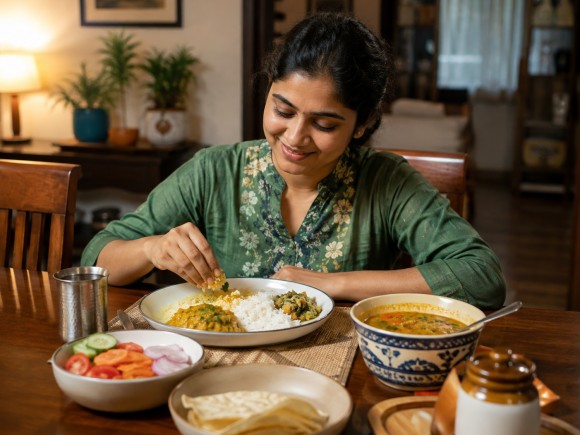
Soya chunks recipes Indian style are having a real moment right now, and for good reason. Between rising interest in plant-based protein and the sheer practicality of a pantry ingredient that cooks in minutes, soya chunks have quietly become one of the most useful staples in Indian kitchens, especially on weeknights when there's no time for elaborate cooking but every reason to eat well.
If you've got a packet of soya chunks sitting in your pantry and aren't quite sure what to do with them beyond the usual soya curry, this guide is for you. We're covering five genuinely easy, high-protein soya recipes that come together fast, use ingredients most Indian kitchens already have, and deliver serious nutritional value without demanding serious cooking time.
Why Soya Chunks Deserve a Regular Spot in Your Weeknight Rotation
Before getting to the recipes, it's worth understanding why soya chunks work so well for busy cooking, beyond just convenience.
They're protein-dense. Soya chunks are one of the most concentrated plant-based protein sources available in a typical Indian kitchen, delivering significantly more protein gram-for-gram than most vegetables, grains, or even paneer, while staying naturally low in fat.
They cook fast. Unlike dried legumes that need soaking overnight or hours of simmering, soya chunks rehydrate in boiling water within 10-15 minutes and are ready to cook from there. That single feature makes them ideal for weeknight dinners when time is the biggest constraint.
They absorb flavor exceptionally well. Soya chunks have a neutral base taste, which means they take on whatever spices, gravies, or marinades you cook them in — making them versatile across North Indian curries, South Indian stir-fries, and everything in between.
They're shelf-stable and budget-friendly. A single pack sits in your pantry indefinitely and stretches across multiple meals, making it one of the more economical high-protein options compared to fresh meat or paneer.
They fit multiple dietary needs. Naturally cholesterol-free and low-carb, soya chunks work well for people managing weight, building muscle, or simply trying to add more plant protein to a mostly vegetarian diet.
With that context, let's get into the recipes.
1. Classic Soya Chunks Masala
This is the recipe most people already associate with soya chunks — and for good reason, it's a reliable, satisfying dish that pairs well with rice or roti. But a few technique adjustments make a real difference in flavor.
Ingredients
- 1 cup soya chunks
- 2 medium onions, finely chopped
- 2 tomatoes, pureed
- 1 tbsp ginger-garlic paste
- 2 tbsp oil
- 1 tsp cumin seeds
- 1 tsp turmeric powder
- 1.5 tsp red chili powder
- 1.5 tsp coriander powder
- 1/2 tsp garam masala
- Salt to taste
- Fresh coriander leaves, chopped
Method
- Rehydrate the chunks. Boil soya chunks in water with a pinch of salt for 8-10 minutes until soft. Drain and gently squeeze out excess water — this step matters more than people realize, since waterlogged chunks dilute the masala's flavor.
- Build the base. Heat oil, add cumin seeds, then sauté onions until golden brown. Add ginger-garlic paste and cook until the raw smell disappears.
- Add the masala. Stir in tomato puree, turmeric, chili powder, and coriander powder. Cook until the oil separates from the masala — this is the visual cue that the spices are properly cooked, not just mixed in.
- Add the soya chunks. Fold in the rehydrated chunks, add a splash of water for gravy consistency, cover, and simmer for 8-10 minutes so the chunks absorb the masala.
- Finish. Sprinkle garam masala and fresh coriander before serving.
Weeknight tip: Rehydrate a double batch of soya chunks in advance and refrigerate the extra portion (drained, in an airtight container) for up to 2 days — it cuts your active cooking time in half on a repeat night.
2. Soya Chunks Stir-Fry With Vegetables
For a lighter, faster option that still delivers serious protein, a dry stir-fry is one of the quickest soya chunks dishes you can put together — closer to 15 minutes total once the chunks are rehydrated.
Ingredients
- 1 cup soya chunks, boiled and squeezed dry
- 1 capsicum, sliced
- 1 carrot, julienned
- 1 onion, sliced
- 2 tbsp oil
- 1 tsp soy sauce (optional, for an Indo-Chinese twist)
- 1/2 tsp black pepper, freshly ground
- 1/2 tsp cumin powder
- Salt to taste
- Spring onion greens for garnish
Method
- Heat oil in a wok or wide pan on high heat.
- Add onions and stir-fry for a minute until slightly translucent.
- Add capsicum and carrot, stir-frying for 2-3 minutes to keep the vegetables crisp rather than soft.
- Add the drained soya chunks and toss everything together on high heat for 3-4 minutes.
- Season with cumin powder, black pepper, salt, and soy sauce if using. Toss well to coat evenly.
- Garnish with spring onion greens and serve hot.
This version works particularly well as a quick side dish or a light dinner paired with fried rice or simply on its own for a low-carb, high-protein meal.
3. Soya Chunks Biryani
A one-pot dinner that feels indulgent but comes together with minimal effort, making it one of the more satisfying easy soya recipes for dinner when you want something more than a simple curry.
Ingredients
- 1.5 cups soya chunks, boiled and drained
- 1.5 cups basmati rice, soaked for 20 minutes
- 1 large onion, thinly sliced
- 1 tomato, chopped
- 2 tbsp yogurt
- 1 tbsp ginger-garlic paste
- 2-3 green chilies, slit
- Whole spices: 1 bay leaf, 2-3 cloves, 1 cinnamon stick, 2 cardamom pods
- 1 tsp biryani masala
- 1/2 tsp turmeric powder
- 3 tbsp oil or ghee
- Fresh mint and coriander leaves
- Salt to taste
- 2.5 cups water
Method
- Heat oil or ghee in a heavy-bottomed pot. Add whole spices and let them sizzle for a few seconds.
- Add sliced onions and fry until golden brown — this step builds the base flavor of the biryani, so don't rush it.
- Add ginger-garlic paste and green chilies, cooking until fragrant.
- Add tomatoes, turmeric, and biryani masala, cooking until the tomatoes soften.
- Stir in yogurt and the boiled soya chunks, mixing well so the chunks are coated in masala.
- Add soaked and drained rice, mint, and coriander leaves, gently folding everything together.
- Add water and salt, bring to a boil, then reduce heat to low, cover tightly, and cook for 15-18 minutes until the rice is fully cooked.
- Let it rest, covered, for 5 minutes before fluffing and serving.
Weeknight tip: This recipe scales up easily, so it's a good choice when you want leftovers for the next day's lunch the flavors actually deepen overnight.
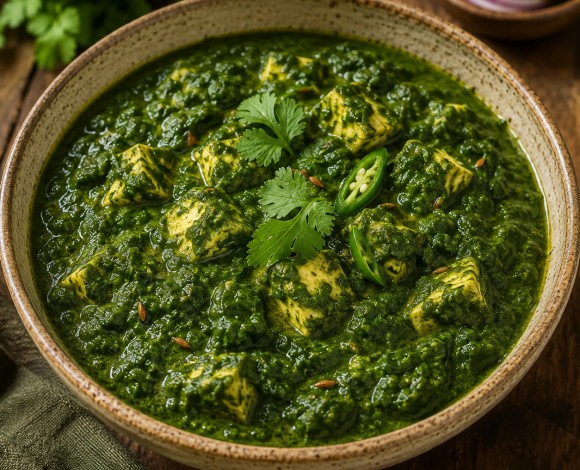
4. Soya Chunks and Spinach Curry
A nutrient-dense combination that pairs the protein content of soya chunks with the iron and fiber of spinach, making this one of the more well-rounded high-protein soya recipes on this list.
Ingredients
- 1 cup soya chunks, boiled and squeezed dry
- 3 cups fresh spinach, roughly chopped
- 1 onion, finely chopped
- 1 tomato, chopped
- 1 tbsp ginger-garlic paste
- 2 tbsp oil
- 1 tsp cumin seeds
- 1 tsp coriander powder
- 1/2 tsp turmeric powder
- 1/2 tsp red chili powder
- Salt to taste
- 2 tbsp fresh cream (optional)
Method
- Blanch the spinach in boiling water for 2 minutes, then blend into a smooth puree.
- Heat oil, add cumin seeds, then sauté onions until soft and lightly golden.
- Add ginger-garlic paste, cooking until the raw smell fades.
- Add chopped tomato and cook until it breaks down into the masala.
- Stir in turmeric, chili powder, and coriander powder, cooking briefly.
- Add the spinach puree and soya chunks, mixing well. Simmer for 6-8 minutes so the chunks absorb the spinach gravy.
- Stir in cream if using, adjust salt, and serve.
This dish pairs particularly well with roti or jeera rice and works well as a make-ahead option, since the flavors hold up well when reheated the next day.
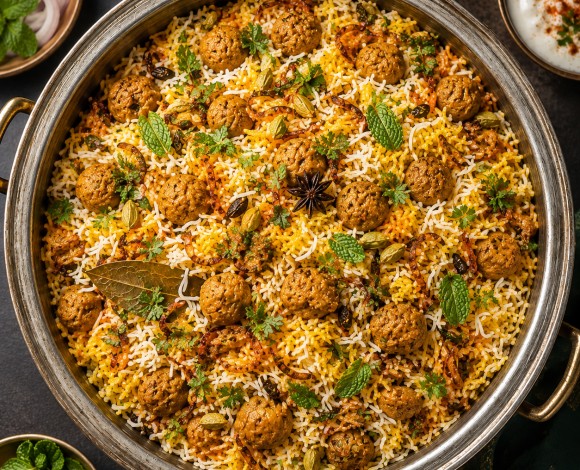
5. Soya Chunks Pulao
For nights when even the biryani feels like too much effort, this simplified pulao version delivers similar comfort with far less active cooking time — a true one-pot, minimal-cleanup dinner.
Ingredients
- 1 cup soya chunks, boiled and drained
- 1 cup basmati rice, soaked for 15 minutes
- 1 onion, sliced
- 1/2 cup mixed vegetables (peas, carrots, beans), chopped
- 1 tbsp ginger-garlic paste
- 2 tbsp oil
- 1 bay leaf, 2 cloves, 1 small cinnamon stick
- 1/2 tsp garam masala
- Salt to taste
- 2 cups water
Method
- Heat oil in a pot, add whole spices, and let them sizzle briefly.
- Add onions and sauté until translucent.
- Add ginger-garlic paste, mixed vegetables, and soya chunks, stirring for 2-3 minutes.
- Add soaked rice and garam masala, gently mixing to coat everything evenly.
- Add water and salt, bring to a boil, then cover and simmer on low heat for 15 minutes.
- Let it rest for 5 minutes before fluffing with a fork and serving.
This is often the go-to recipe for genuinely last-minute dinners, since it requires the least chopping and the fewest steps of everything on this list.
Tips for Cooking With Soya Chunks More Efficiently on Weeknights
A few practical habits make soya chunks even more convenient for regular weeknight use:
- Batch rehydrate on weekends. Boil a larger quantity of soya chunks, drain thoroughly, and refrigerate in portions. This turns any of the above recipes into a 15-20 minute meal rather than a 30-minute one.
- Always squeeze out excess water. This single step has the biggest impact on flavor absorption across nearly every soya chunks recipe — skipping it results in a watery, under-seasoned dish.
- Marinate for extra flavor. If you have 15 extra minutes, marinating boiled soya chunks in yogurt and spices before cooking deepens the flavor significantly, especially for the masala and biryani recipes.
- Freeze rehydrated chunks. Cooked, drained soya chunks freeze well for up to a month, making meal prep even more efficient for genuinely busy weeks.
- Mix formats for texture. Combining regular chunks with soya granules or mini chunks in the same dish can add textural variety, particularly useful in pulao and stir-fry recipes.
Nutritional Value: What You're Actually Getting
Beyond convenience, the nutritional case for building soya chunks into your weekly rotation is strong. High-quality soya chunks are notably rich in protein per serving compared to most other vegetarian staples, while remaining naturally cholesterol-free and low in carbohydrates. They also typically contribute meaningful amounts of calcium, iron, and phosphorus to a meal — nutrients that matter for anyone building muscle, managing weight, or simply trying to eat a more balanced vegetarian diet without relying heavily on dairy or processed protein sources.
For anyone tracking protein intake more precisely, checking the protein content of the exact soya chunks you're using matters, since quality and processing can vary between brands. Resources like the Soya Sakthi nutrition blog and protein calculator can help you understand exactly how a serving fits into your daily protein targets, which is especially useful if you're cooking for fitness goals rather than just a meal.
Final Thoughts
Soya chunks earn their place in a busy weeknight kitchen because they solve a real problem: how to get serious protein on the table fast, without sacrificing flavor or variety. Whether it's a classic masala, a quick stir-fry, or a comforting one-pot biryani or pulao, these five recipes prove that high-protein cooking doesn't have to mean complicated cooking.
If you're looking to build more plant-protein meals into your weekly rotation, starting with a reliable, high-quality soya chunks pack makes the biggest difference in how these recipes actually turn out. Explore more recipe ideas and nutritional guidance to make soya a regular, effortless part of your weeknight cooking.
FAQs
How long should soya chunks be boiled before cooking?
Soya chunks typically need 8-10 minutes of boiling in salted water to fully rehydrate and soften. After boiling, draining and gently squeezing out excess water is essential for better flavor absorption in the final dish.
Are soya chunks a good source of protein for vegetarians?
Yes. Soya chunks are one of the most protein-dense plant-based ingredients commonly available in Indian kitchens, making them a practical and affordable way for vegetarians to meet daily protein needs without relying on dairy or eggs.
Can soya chunks be used in place of meat in curries?
Yes, soya chunks work well as a meat substitute in most curry-style Indian dishes because their neutral taste absorbs spices and gravies effectively, and their texture holds up similarly well during slow cooking.
Do soya chunks need to be refrigerated after boiling?
Boiled and drained soya chunks should be refrigerated in an airtight container if not used immediately, and they typically stay fresh for about 2 days. They can also be frozen for longer storage, up to a month.
What's the easiest soya chunks recipe for a quick weeknight dinner?
A simple stir-fry or pulao tends to be the fastest option, since both require minimal chopping and come together in under 20 minutes once the soya chunks are rehydrated, making them ideal for genuinely time-constrained weeknights.