Nutrition Blogs
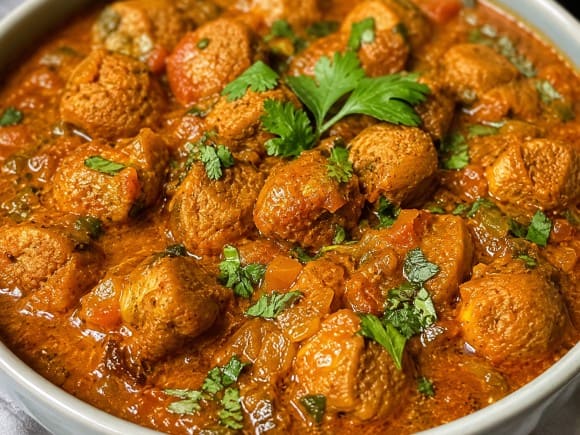
How much protein in soya chunks is a question more Indian families are asking as protein awareness moves from gym culture into everyday household nutrition planning. And it's a fair question to ask carefully, because not all soya chunks on the market are created equal. Protein content can vary noticeably between brands and processing methods, which matters a lot if you're actually trying to hit a daily protein target for yourself, a growing child, or an aging parent.
This blog breaks down exactly what to look for in soya chunks' protein content, whether soya protein genuinely qualifies as a "complete protein" the way animal protein does, and why soya chunks have become one of the most practical plant-based protein sources for Indian households trying to eat better without overhauling their entire diet or grocery budget.
How Much Protein Is in Soya Chunks?
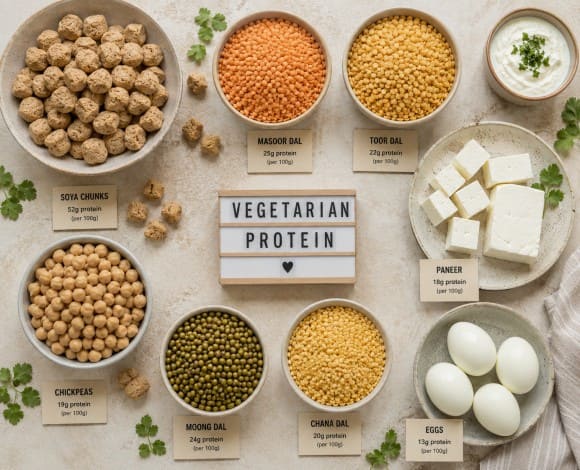
This is where quality matters more than most people realize. High-quality soya chunks made from properly processed, pure soybeans typically deliver around 50-52% protein by weight, meaning roughly half of what you're eating, by weight, is protein. That's an unusually high concentration for any food, plant, or animal.
To put that in perspective: most common protein sources in an Indian diet fall well short of that density.
- Paneer typically contains around 18-20% protein by weight, with a meaningful portion of its weight coming from fat and water.
- Chicken breast (cooked) contains roughly 25-27% protein by weight.
- Cooked lentils (dal) contain around 8-9% protein by weight, with the rest largely carbohydrate.
- Eggs contain roughly 12-13% protein by weight, mostly concentrated in the white.
Soya chunks, at 50-52% protein, sit in a different category entirely, closer to a concentrated protein supplement than a typical whole food, but without the processing and cost associated with protein powders or isolates. This is a big part of why soya chunks have become such a practical staple: you get a genuinely high protein dose from a small, affordable serving, cooked the same way you'd cook any Indian curry or stir-fry ingredient.
Why Protein Percentage Varies Between Brands
Not every soya chunks product on the market actually delivers on this protein density, and it's worth understanding why. Protein content depends heavily on:
- The quality of the raw soybeans used, including whether they're non-GMO and properly sourced
- The processing method, since improper defatting or processing can dilute the final protein concentration
- Purity of the final product, since fillers or lower-grade soy flour blends reduce the effective protein percentage per serving
This is exactly why checking the actual protein percentage on the packaging — not just assuming "soya chunks are high protein" as a blanket claim — matters when you're building a diet around hitting specific daily protein targets.
Is Soya Protein a Complete Protein?
This is one of the more important nutritional facts about soya that often gets underexplained, and it's a genuinely reassuring answer for anyone relying on plant protein.
Yes, soy protein is recognized as one of the very few plant-based proteins that qualify as complete proteins, meaning they contain all nine essential amino acids in adequate proportions that the human body needs but cannot produce on its own. Those nine essential amino acids include histidine, isoleucine, leucine, lysine, methionine, phenylalanine, threonine, tryptophan, and valine.
This matters because most plant proteins — lentils, beans, grains — are individually "incomplete," meaning they fall short in one or more essential amino acids and typically need to be combined with other foods (like rice with dal) to form a complete amino acid profile. Soy protein doesn't have that limitation on its own.
The Science Behind the Claim
Protein quality in nutrition science is commonly measured using the Protein Digestibility-Corrected Amino Acid Score (PDCAAS), a scale from 0 to 1.0 that accounts for both amino acid completeness and the body's ability to digest and absorb the protein. On this scale, soy protein isolate is one of the only plant proteins to achieve the maximum score of 1.0 — the same top score achieved by high-quality animal proteins like eggs and dairy. Most other plant proteins score meaningfully lower due to limiting amino acids.
In practical terms, this means soya chunks aren't just "a good plant protein" — they're nutritionally comparable to animal protein sources in terms of amino acid completeness and quality, which is a meaningfully stronger claim than most plant-based protein sources can make.
Soya Chunks and Muscle Building: Do They Actually Work?
For anyone specifically trying to build or maintain muscle, whether through regular exercise, an active lifestyle, or simply trying to preserve muscle mass with age, the question of whether soya chunks are good for muscle building deserves a direct answer.
Why Soya Chunks Support Muscle Building
- High leucine content. Leucine is the specific essential amino acid most directly tied to triggering muscle protein synthesis, the biological process your body uses to repair and build muscle tissue after exercise. Soy protein contains meaningful leucine levels, supporting this process effectively.
- Complete amino acid profile. Since muscle repair requires all essential amino acids working together, not just leucine in isolation, soya's complete protein status makes it genuinely effective for this purpose, rather than requiring pairing with other protein sources.
- High protein density per serving. Because soya chunks are roughly 50-52% protein by weight, it's easier to hit meaningful protein targets in a single meal compared to lower-density plant protein sources, which matters for anyone tracking daily intake for muscle-building goals.
- Low fat, cholesterol-free profile. For people building muscle while managing overall calorie and fat intake, soya chunks offer a lean protein source without the saturated fat that comes with some animal protein options.
What the Research Suggests
Comparative research on plant versus animal protein for muscle building has generally found that soy protein performs closer to animal protein sources than most other plant proteins, largely because of its favorable amino acid profile and digestibility. While isolated soy protein supplements are commonly used in sports nutrition specifically because of this profile, whole-food soya chunks offer a similar amino acid advantage in a form that fits naturally into everyday Indian cooking, rather than requiring a separate supplement routine.
Practical Application
For someone with an active lifestyle or fitness goals, a realistic daily target might involve one to two soya chunks-based meals, providing a substantial protein contribution alongside other dietary protein sources like dairy, legumes, or eggs, depending on individual dietary preferences. Because soya chunks are so versatile in Indian cooking — curries, biryanis, stir-fries hitting these targets doesn't require restrictive eating, just intentional meal planning.
What Else Soya Chunks Bring to the Table Nutritionally
Beyond protein, quality soya chunks typically offer a broader nutritional profile that matters for Indian families managing overall dietary needs:
- Cholesterol-free, making them a heart-conscious protein choice compared to many animal protein sources
- Naturally low-carb, which is useful for anyone managing blood sugar or following a lower-carbohydrate eating pattern
- Rich in calcium, iron, and phosphorus, nutrients that matter particularly for growing children, women managing iron needs, and older adults focused on bone health
- Made from non-GMO soybeans (when sourced from a quality producer), which matters increasingly to health-conscious buyers
This combination high complete protein, minimal fat and cholesterol, and meaningful micronutrient content is part of why soya chunks have moved well beyond a niche vegetarian ingredient into a genuinely mainstream household protein staple across Indian kitchens.
Choosing High-Quality Soya Chunks: What to Actually Check
Given how much protein content and purity can vary between products, a few practical checks matter when buying soya chunks for your family:
- Verify the actual protein percentage on the label rather than assuming all soya chunks are equally protein-dense.
- Check for non-GMO sourcing, which affects both quality and, for many buyers, personal food philosophy.
- Look for minimal processing and no unnecessary additives or fillers that could dilute protein concentration.
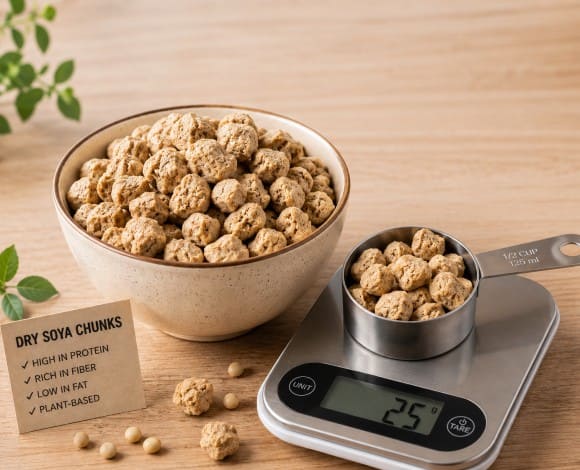
- Consider the product format for your specific use case: regular chunks for curries and biryanis, mini or nano chunks for children or dishes needing a finer texture, and granules for versatile everyday cooking.
For families specifically trying to track protein intake precisely, whether for a fitness goal, a growing child's nutrition, or general health management tools like the Soya Sakthi protein calculator can help translate a specific serving size into an actual gram count, making it easier to plan meals around real daily protein targets rather than rough estimates.
Final Thoughts
Understanding the actual protein content and quality behind soya chunks changes how you think about them not as a basic vegetarian substitute, but as one of the most nutritionally complete and protein-dense foods available for Indian households. Whether the goal is supporting a growing child's nutrition, managing family health more consciously, or building muscle through an active lifestyle, high-quality soya chunks deliver a genuinely comparable protein profile to animal sources, without the cholesterol or the cooking complexity.
If protein tracking matters to your household's health goals, it's worth checking the actual protein percentage on your soya chunks pack rather than assuming all brands are equal. A quick look at a protein calculator can help you plan meals with real numbers instead of guesswork a small step that makes a meaningful difference over time.
FAQs
How much protein is in soya chunks? High-quality soya chunks typically contain around 50-52% protein by weight, making them one of the most protein-dense foods available in a typical Indian kitchen, well above paneer, lentils, or eggs on a per-weight basis.
Is soya protein a complete protein like animal protein? Yes. Soy protein contains all nine essential amino acids in adequate proportions, and soy protein isolate is one of the only plant proteins to achieve the maximum PDCAAS score of 1.0, placing it on par with high-quality animal proteins in terms of amino acid completeness and digestibility.
Are soya chunks good for muscle building? Yes. Soya chunks offer a complete amino acid profile, including meaningful leucine content, which supports muscle protein synthesis. Combined with their high protein density per serving, they're an effective plant-based option for anyone building or maintaining muscle.
What is the protein content difference between soya chunks and paneer? Soya chunks typically contain around 50-52% protein by weight, compared to roughly 18-20% for paneer, making soya chunks a significantly more concentrated protein source per gram.
Can soya chunks replace meat as a protein source? For most nutritional purposes, yes. Given their complete amino acid profile and high protein density, soya chunks can effectively substitute for meat protein in a vegetarian or flexitarian diet, while also being naturally cholesterol-free and low in fat.

Follow Us
© ABT Consumer Products ( A Division of A B T Limited )
, All rights reserved.